Publish date: World Autism Acceptance Day, April 2
Today is World Autism Day. And if you’ve been paying attention to how the conversation around autism has shifted, you’ll have noticed a change in language.
Autism Awareness. Autism Acceptance. They sound similar, but they’re not.
Autism awareness campaigns have been running since the 1970s. They’ve done useful work, more families recognizse autism earlier, more schools have started thinking about inclusion, and autism is more visible in public life than it’s ever been.
But awareness has a ceiling.
Knowing autism exists doesn’t change whether an autistic person feels safe enough to be themselves. It doesn’t change whether they spend their energy masking who they are just to get through the day. It doesn’t change whether they have the tools to stand in who they are, and participate fully in the life they choose.
Awareness tells the world autism exists. Acceptance changes what happens next.
The move from awareness to acceptance wasn’t driven by organizsations or campaigns. It was driven by autistic people themselves.
The Autistic Self Advocacy Network has framed April as Autism Acceptance Month since 2011, calling for autism to be recognizsed as a natural part of human experience, not a condition to be fixed or feared. The language changed because the autistic community asked for it to.
That matters. Because acceptance isn’t something that gets handed to autistic people from the outside. It starts from within.
Many autistic people mask, suppressing natural behaviours, forcing eye contact, mirroring social norms, to fit into environments that weren’t built for them. It’s exhausting. Over time it leads to burnout, anxiety, and a loss of identity.
Masking happens when an autistic person hasn’t yet built the foundational sense of self to stand in who and what they are. When the world’s message — spoken or unspoken — is that your natural way of being isn’t acceptable, you learn to hide it.
External acceptance matters. But self-acceptance is where the real shift happens.
When an autistic person develops a strong enough understanding of how they experience the world, and the tools to navigate it on their own terms, the weight lightens. Not because the world suddenly becomes more accommodating. Because they no longer need it to be.
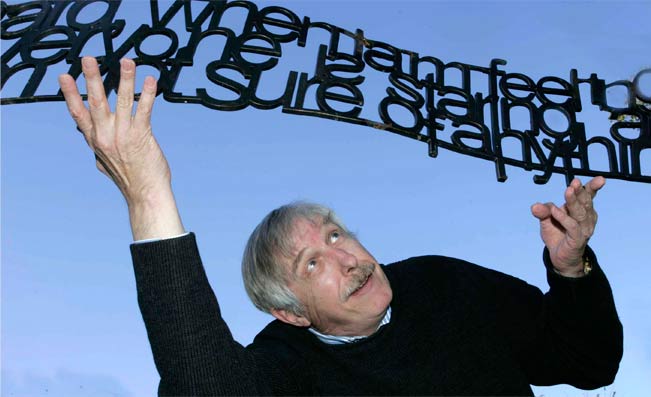
Ron Davis was autistic at a time when the word didn’t yet exist for what he was. He was labelled a Kanners Baby (coined by Leo Kanner to describe young children or infants with severe social, communication, and behavioral differences).
As a child he didn’t speak. Doctors told his mother he would never learn, never amount to much. The world had no framework for his brain, so he built his own. He didn’t mask. He didn’t try to become neurotypical. He stood as himself, figured out how his mind worked, and built a life, and eventually a career as an engineer and sculptor.
That experience gave Ron something academic researchers didn’t have, a firsthand understanding of what it actually takes for an autistic person to find their footing in the world. And it gave him a mission: to help other autistic people do the same.
The Davis Autism Approach® wasn’t designed to make autistic people appear more neurotypical. It was designed to empower autistic individuals to participate fully in the life they choose, all on their own terms, as themselves.
It starts with individuation, developing a strong, stable sense of self. From that foundation, autistic individuals build the self-awareness, self-regulation, and life concepts that allow them to engage with the world without needing to mask who they are.
As Ron himself said: “If I could find my own way through this chaos, I could provide a map for others of my kind to follow.”
That map doesn’t lead to neurotypicality. It leads to a life that genuinely works for the person living it.
On World Autism Day, acceptance looks like listening to autistic voices. It looks like building support around how autistic brains work, not against them. It looks like autistic people — children, teens, and adults — having access to tools that build genuine self-understanding.
It looks like standing in who you are. And having the support to do it.
Find a Davis Autism International facilitator near you and start a conversation. 👉