Press release: January 30, 2026
Tuesday, January 26, 2026 – It was clear and cold as Lindsay Hodge, Davis Method Facilitator in Southwest Washington, packed her kids into the car and headed to her office with two of her colleagues in tow. Jeanette Devries and Mirriam Hill, facilitators from BC, drove down to help support Hodge at a lunch time community outreach event she had set up. The goal: to spread the word about the Davis Methods and the new documentary, “Who Knew: Dyslexia is a Way of Thinking” with certain members of the community. The highly acclaimed documentary, created in partnership with The Whole Dyslexic Society and Nice Lady Productions, and funded by TELUS Story Hive, has now won several awards at various film festivals.
Watch the trailer for Who Knew here.
View Lindsay’s profile here.
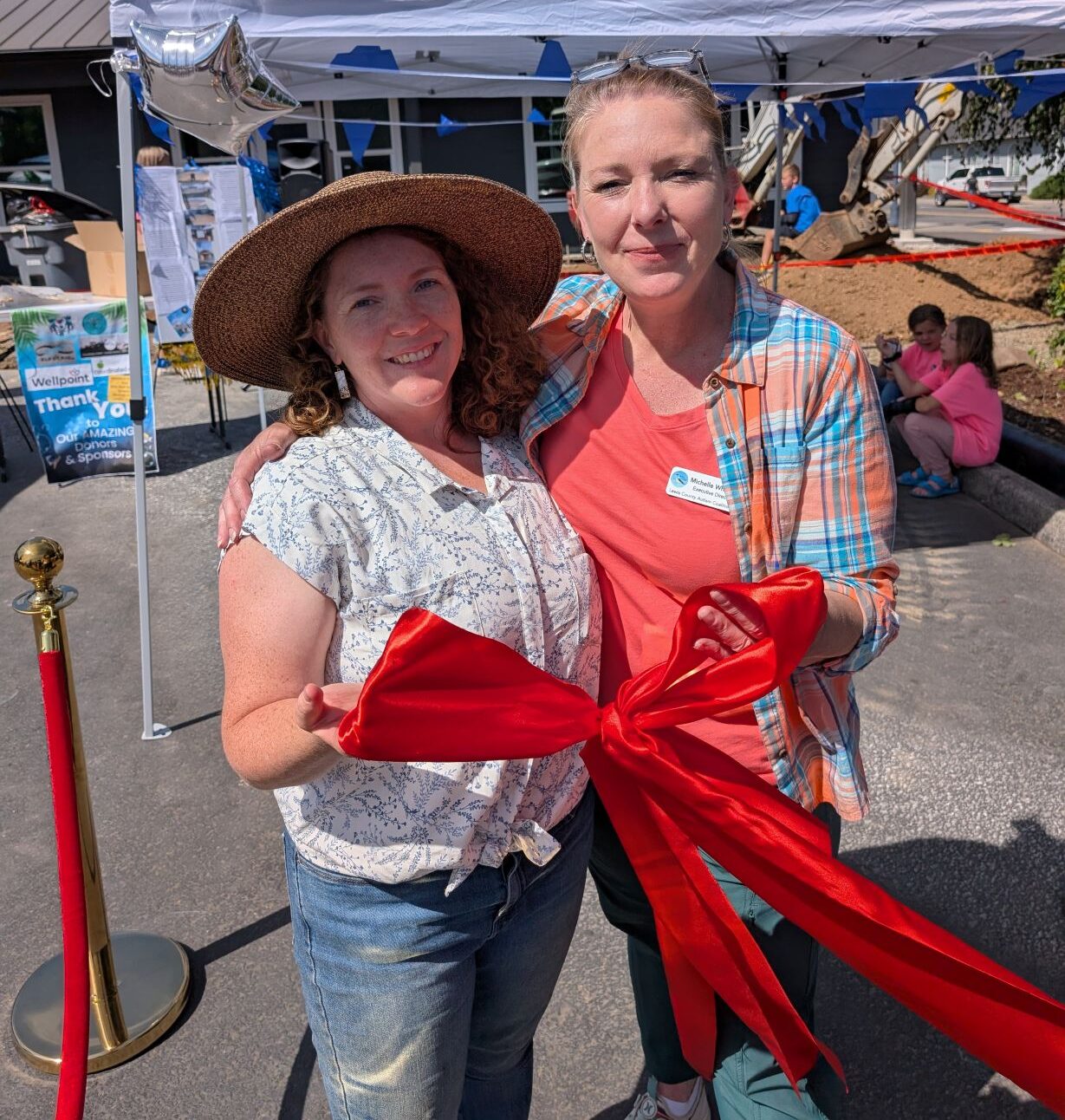
This event had been in the works for a few months. Last year, Hodge initiated a relationship with the Lewis County Autism Coalition (LCAC). By September 2025, she had moved in as an independent service provider to the LCAC’s new community space, The Spectrum and Development Community Center in Napavine, Washington, USA. The Community Center was created with the intention of making resources and services more accessible to families and individuals in need. As neighbors, the Lewis County Pediatrics and Family Medicine Clinic and LCAC intend to work hand in hand to support neurodivergent individuals and their families. Hodge faced only one issue: no one really knew about Davis Method Solutions.
Hodge says, “When I say that I provide Davis Method Programs for Dyslexia, ADHD and students who struggle with Math, the follow up question is always, ‘What is a Davis Method Program?’ I’m so grateful for the hard work that went into that documentary. That was the most wonderful way to introduce what I do to the clinic professionals and LCAC board members.”
Hodge had invited clinic professionals, LCAC board members, and other professionals who were interested in knowing more about the Davis Method, including one representative from an organization called Morningside, which works with disabled persons who need help finding gainful employment. She also invited Davis colleagues from her region, and a few parents of former clients. There were 18 individuals in attendance at the private screening event. Hill and Devries were invaluable support to Hodge in preparing for the event, helping Lindsay to pick up food and conversing with Hodge’s children. In addition to being a licensed Davis Facilitator, Hodge is a homeschool mom of three children, aged 15, 13, and 6 years old. Her children are the reason she came to Davis, and it was a gift to have them in attendance as well.
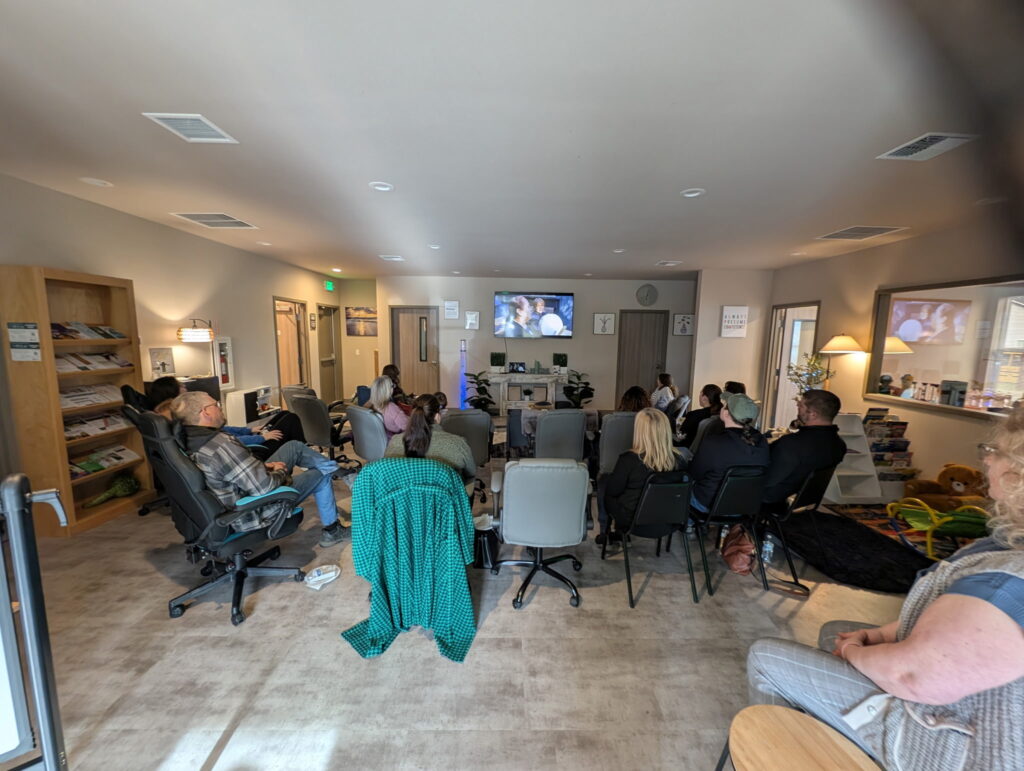
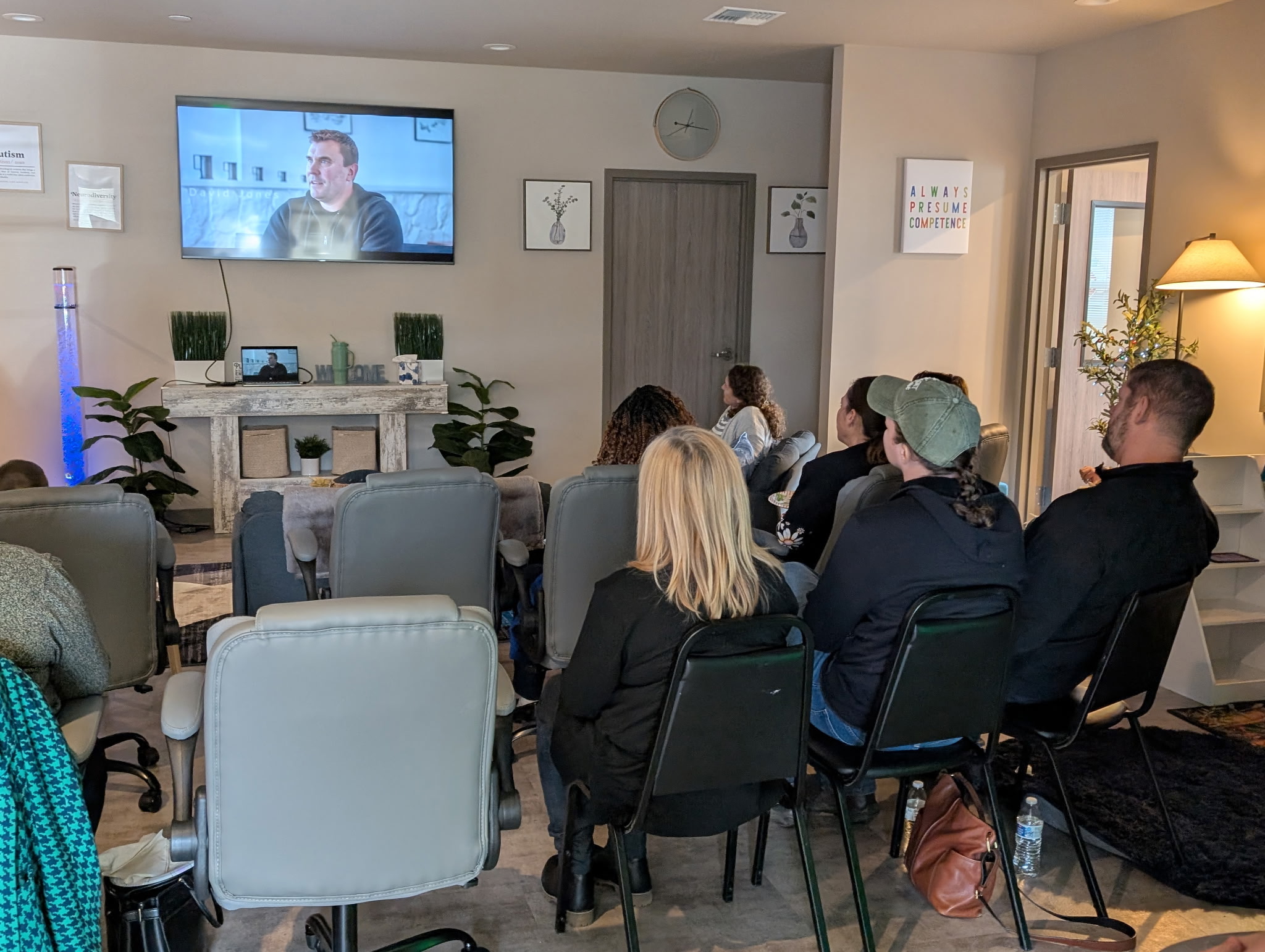
At noon, community members began coming in. They were greeted, asked to sign in, and invited to grab some lunch while they waited to get started. At 12:15, Hodge stood up and introduced the documentary and invited guests to take notes in preparation for the brief Q&A afterward. Then the lights were turned down, and they watched the beautifully made documentary. The audible gasps and “Ohs!” that were heard during the screening were a sign that the audience was engaged. When the lights came up, Hodge’s youngest son jumped up and exclaimed, “MY MOM IS THE BEST!” and everyone shared a little chuckle.
Then came the questions. One guest raised his hand and asked, “How long has this been around?” He shared that he was dyslexic, and that he related on a deep level with Davey, the father of Wynn. “That was me,” he said. Hodge answered with a brief overview of how these methods came to be, and anticipated that the next question would be “Why doesn’t everyone know about this?” She shared a bit about new rebranding and restructuring of the Davis organization, and the hope that they would be better able to help spread the word. She also shared about efforts of Davis facilitators worldwide to get the word out, including the work the Whole Dyslexic Society is doing with the documentary and other outreach. Other participants asked how they could share this information, and providers at the clinic asked how they could refer patients to Hodge or other facilitators. Hodge pointed them to the Davis Method Website for more information on Davis programs, and the Whole Dyslexic Society site for more information on when the documentary will be made public. A few participants even asked about the possibility of becoming facilitators themselves.
There were questions about the structure of Davis method programs, costs, and questions about the effectiveness of the programs. Hodge shared brief overviews, and invited participants to learn more at the Davis Method website or call her directly. It was a powerful moment for those in attendance when David Kerman, father of a former client, spoke up and shared his experience. “We struggled to find help for our daughter in the public school where we lived in Oklahoma… in fact her reading got worse. Then we moved here and started working with Lindsay. Our daughter went from basically not reading at all, to being able to read, and now she is even writing her own stories,” said Kerman. “We attribute all her current success to the work that Lindsay did with our daughter and the Davis Methods.”
As the event wrapped up, guests grabbed stacks of brochures and business cards. Some asked Hodge to contact them directly. Devries leaned in and whispered to Hodge, “You have certainly broadened your reach here today.” Hodge smiled and said, “I sure hope so.” The clear result of the event was that at least a few more people know that Dyslexia is a way of thinking, not a fundamental disability within an individual’s brain, and that there is a way to help those who are struggling as a result of not being taught in the way their brains were born to learn.
Davis facilitators offer one-on-one programs for dyslexia, ADHD, autism, and math learning differences. Programs are personalized to each client and based on the Davis Method developed by Ron Davis.
Find a licensed Davis facilitator near you.